

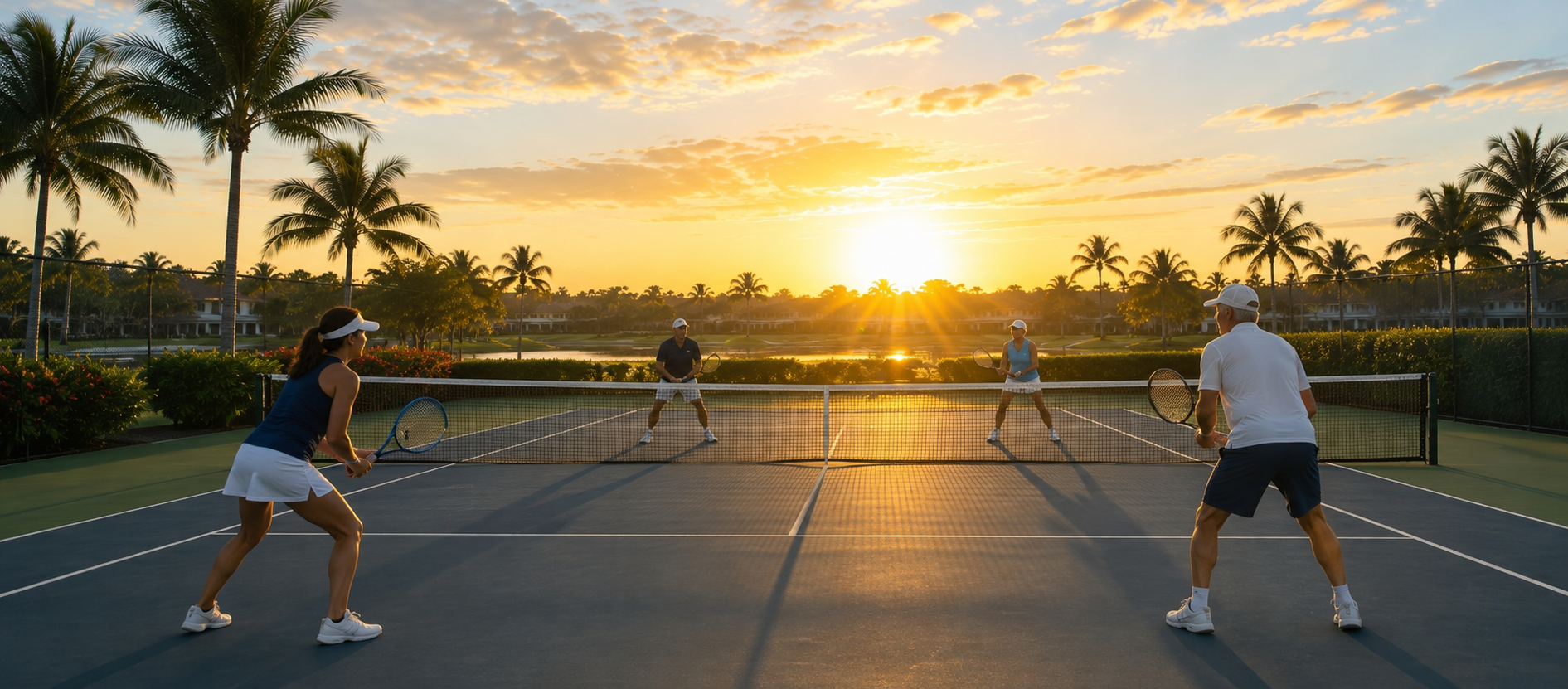
Sports performance longevity
WE SPECIALIZE IN ROTATIONAL SPORTS
Your body remembers every swing, every sprint, every match. It also keeps score. Somewhere between your thirties and your sixties, the game you love starts asking more of you than it used to. You feel it in a hip that won't rotate the way it did last season. A shoulder that aches the morning after. A step that used to be there and now isn't.
None of that is inevitable. It's biomechanical, and biomechanics can be trained.
The SPORTS PERFORMANCE LONGEVITY PATHWAY is built for one purpose: keep you playing, at the level you expect of yourself, for as many years as you choose to play. It starts with a movement assessment. It ends with a program built around the specific demands your sport places on your body.
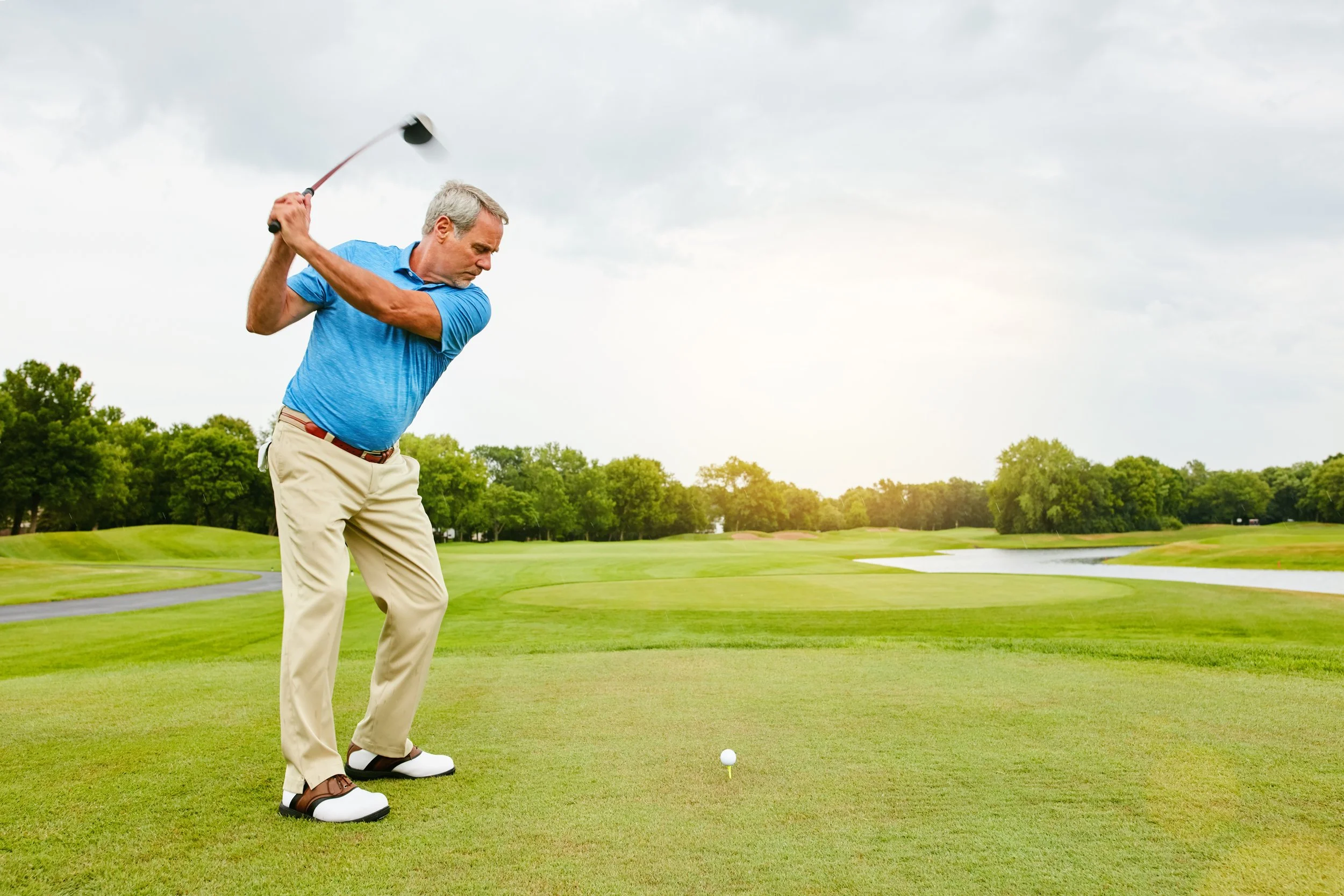
Your Swing Is Only as Good as the Body Behind It
A golf swing looks effortless when it works. It isn't.
In a matter of seconds, the body must create force from the ground, transfer it through the hips and trunk, maintain balance, and deliver that force through the club. When one part of that chain isn't doing its job, another part often has to compensate.
Limited hip or thoracic mobility can change how you rotate. Poor stability can make it harder to control that rotation. A loss of strength or power can gradually take distance with it. Sometimes the first sign isn't pain. It's a swing that simply doesn't feel—or perform—the way it used to.
Golf-specific training looks beyond the swing itself. We assess how your body moves, identify limitations that may be affecting your game, and build the physical qualities the swing asks of you.
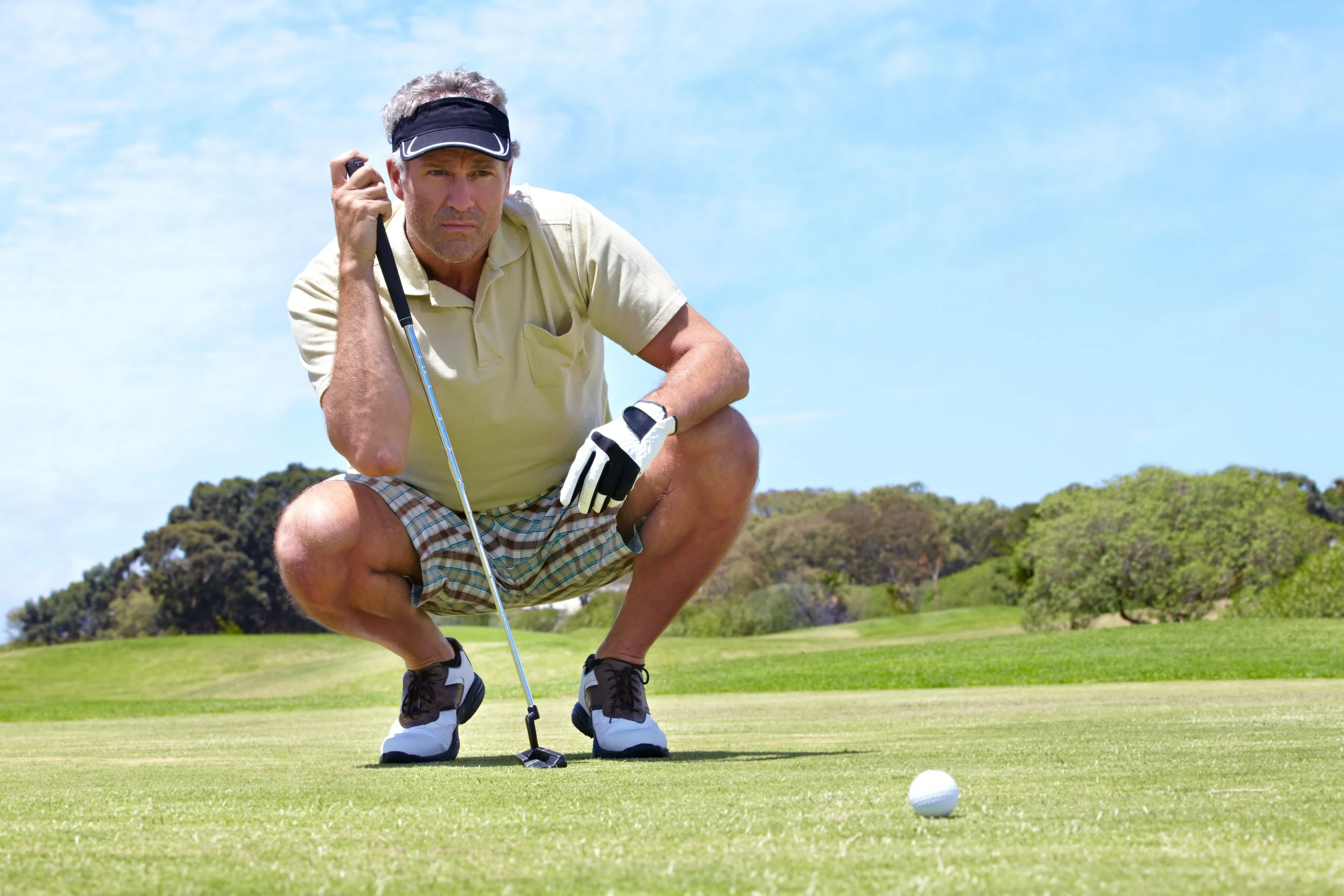
The objective isn't to rebuild your golf swing. It's to give your swing a better body to work with.
Tennis rewards speed, rotation, and reaction. It also demands something less obvious: the ability to repeatedly absorb force.
Every sprint has to stop. Every change of direction has to be controlled. Every serve and groundstroke sends force through the body again—and again—over the course of a match.
That's why tennis fitness isn't only about running and swinging a racquet.
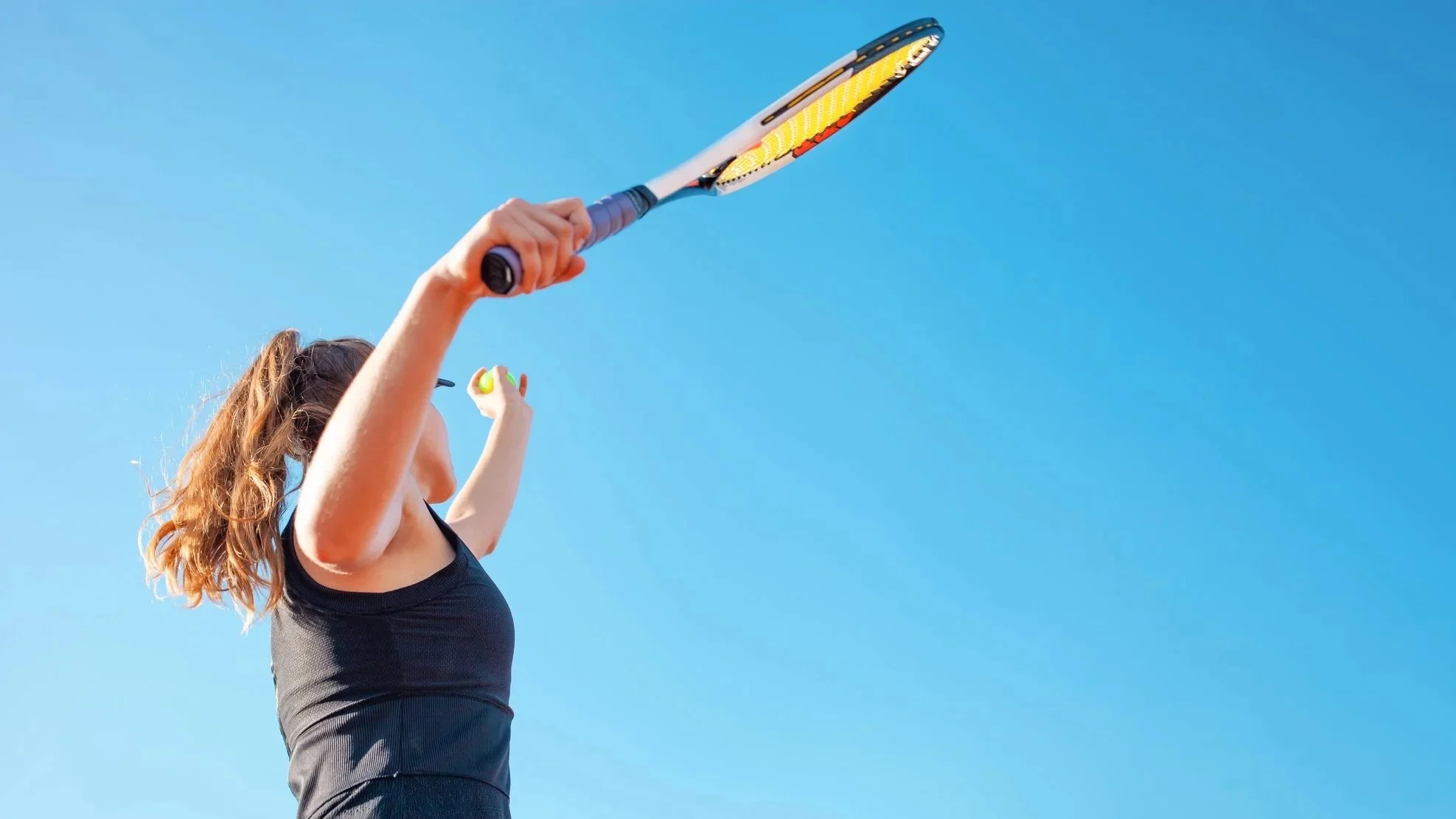
Most misses happen before the swing
The legs need strength to accelerate and decelerate. The hips and trunk need to transfer rotational force. The shoulder needs mobility and stability through repeated overhead movement. And as fatigue builds, the body still has to control all of it.
We train those demands away from the court so your body is better prepared to handle them on it.
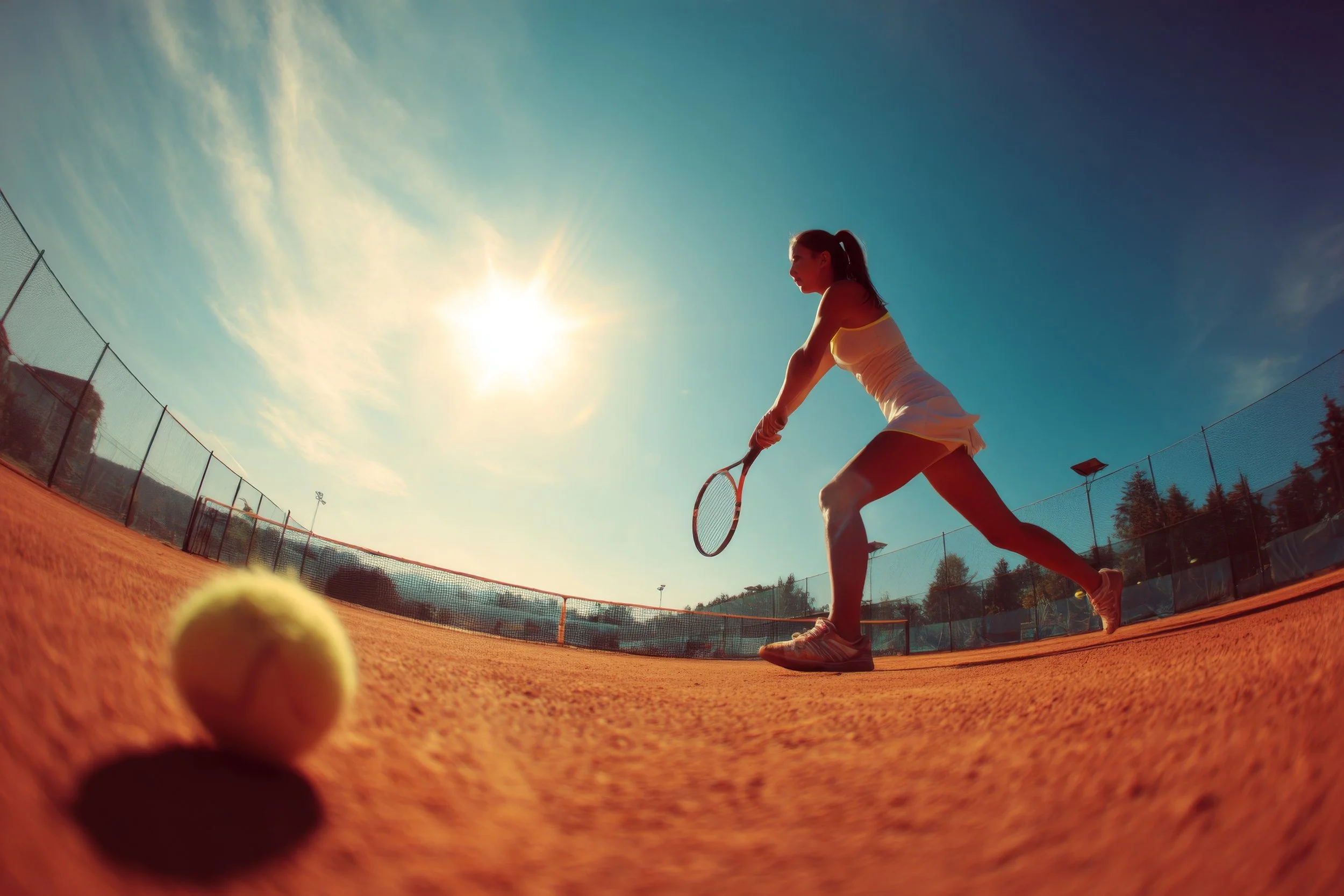
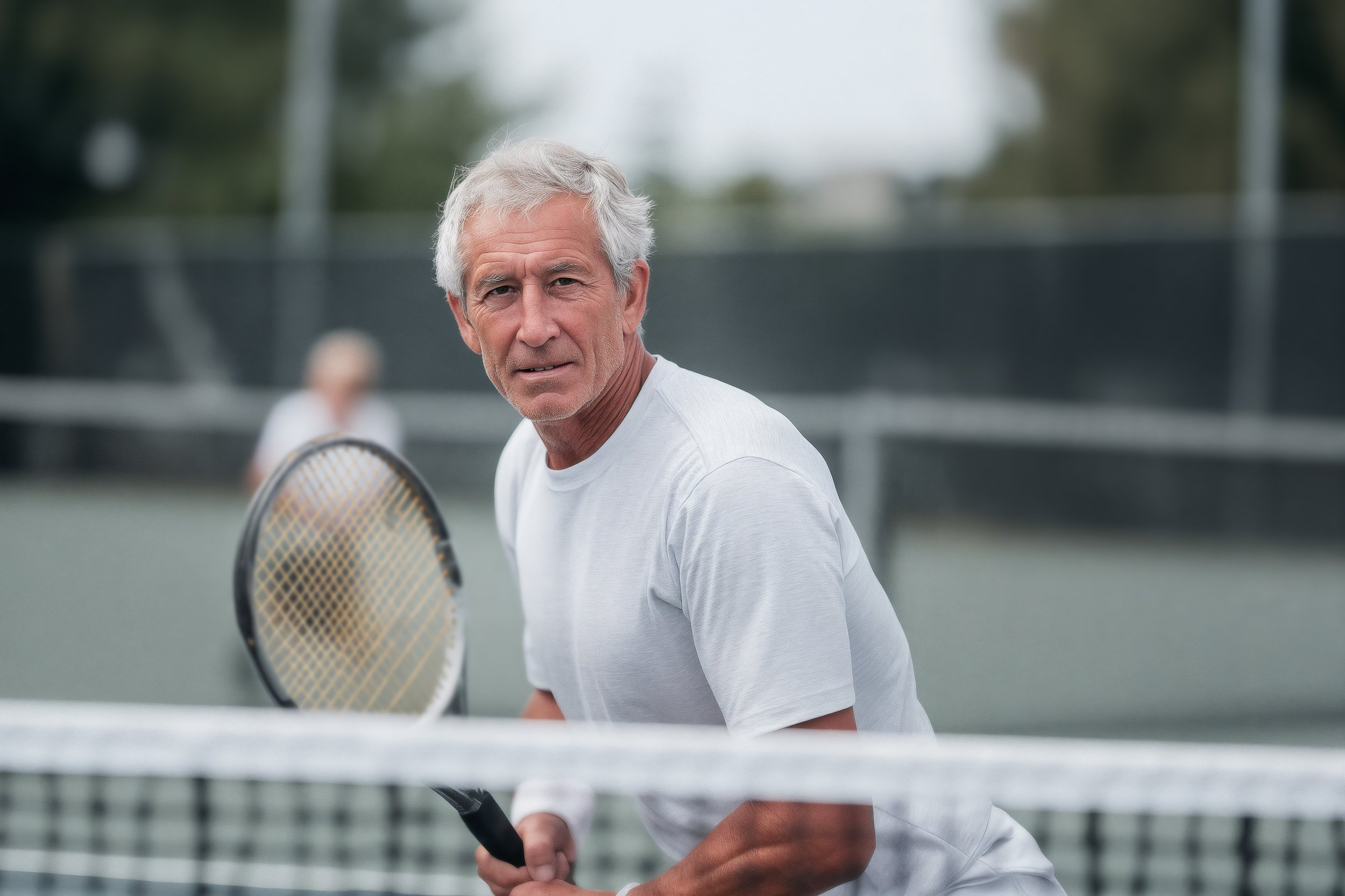
Because in tennis, the player who moves better usually plays better.
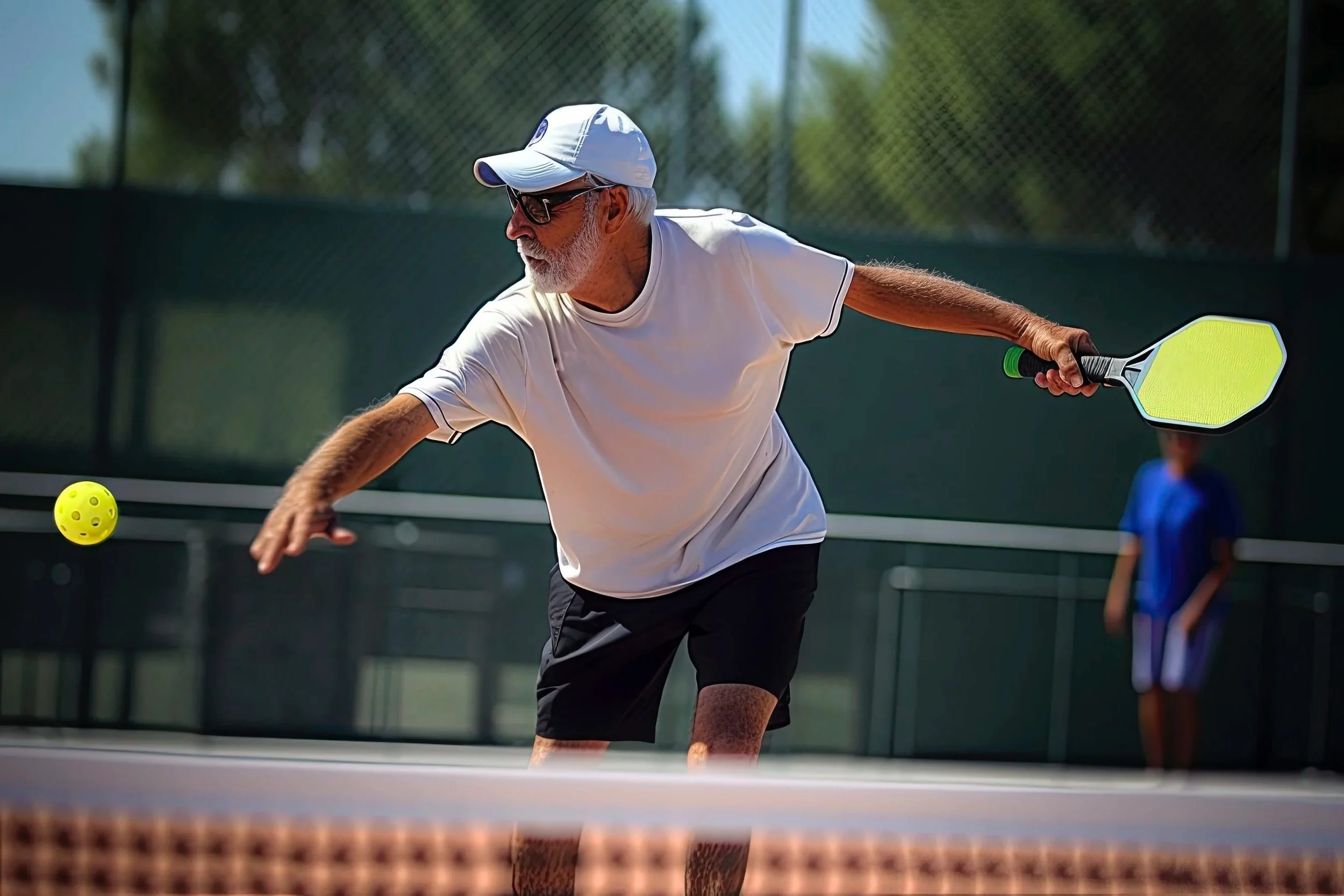
Easy to Start. Surprisingly Hard on the Body.
Pickleball doesn't give you much time to prepare for what happens next.
A ball changes direction and you're moving. A drop shot pulls you forward. A drive forces a quick reaction. One moment you're planted at the kitchen line; the next you're reaching, rotating, stopping, or changing direction.
None of those movements is particularly dramatic on its own. The challenge is doing them repeatedly—and being ready for the one you didn't anticipate.

That's where general fitness and pickleball fitness begin to separate.
Walking builds endurance. Strength training builds strength. Both are valuable. But the court asks your body to apply those qualities while reacting, braking, balancing, and changing direction.
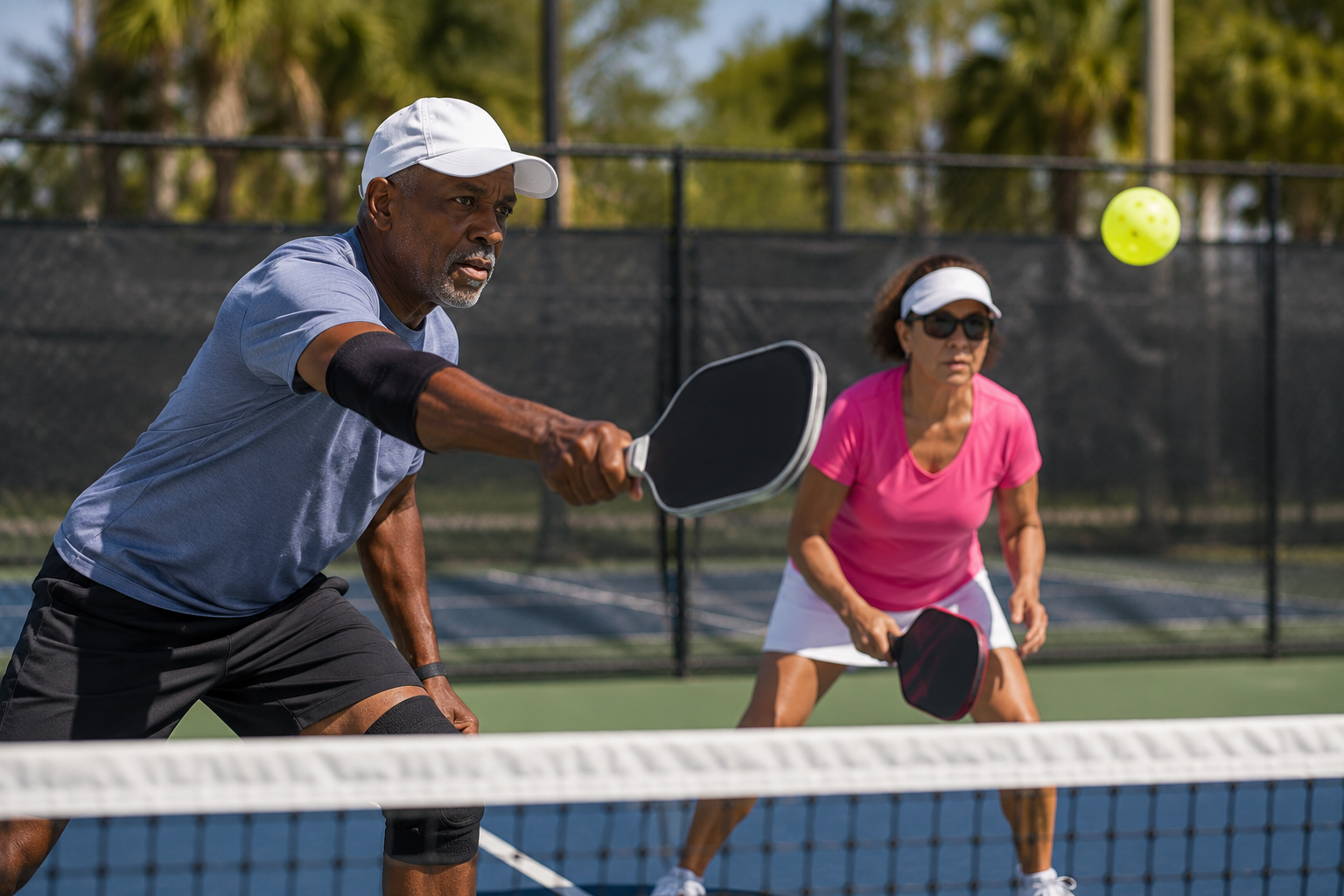
We prepare for those moments by developing the strength, mobility, balance, and movement control that support the way you actually play.
You don't need to wait until something hurts to start preparing for the game.
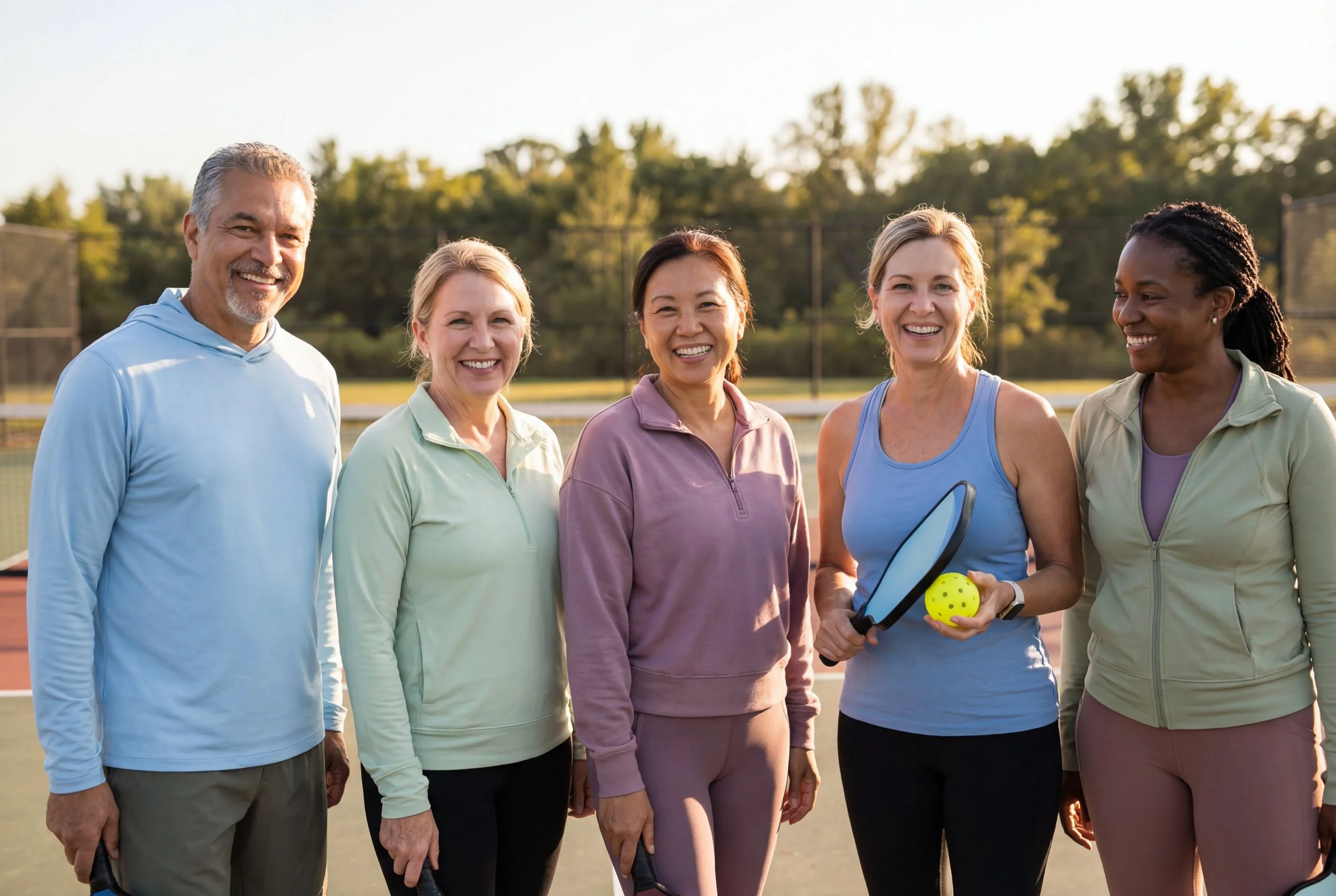
The best time to build a more resilient pickleball player is while you're still playing.